Restless Legs Syndrome (RLS) is a condition that causes an irresistible urge to move your legs, often with uncomfortable sensations. Symptoms usually get worse in the evening or at night, making it harder to fall asleep and stay asleep.
Restless Legs Syndrome (RLS) is a neurological condition that causes an uncontrollable urge to move your legs, often accompanied by unpleasant sensations such as tingling, creeping, crawling, or aching. These feelings typically worsen in the evening or at night, making it difficult to fall asleep or stay asleep.
The exact cause of RLS isn’t fully understood, but it is thought to involve an imbalance of dopamine in the brain, iron deficiency, or underlying medical conditions. RLS can affect anyone at any age, though it is more common in middle-aged and older adults, and it can run in families.
Living with RLS can be frustrating, but with proper diagnosis and treatment, most people are able to manage their symptoms and improve their sleep quality.

Common signs of RLS include:
Symptoms can vary in intensity and frequency, and even mild RLS can significantly affect sleep quality and daytime energy.

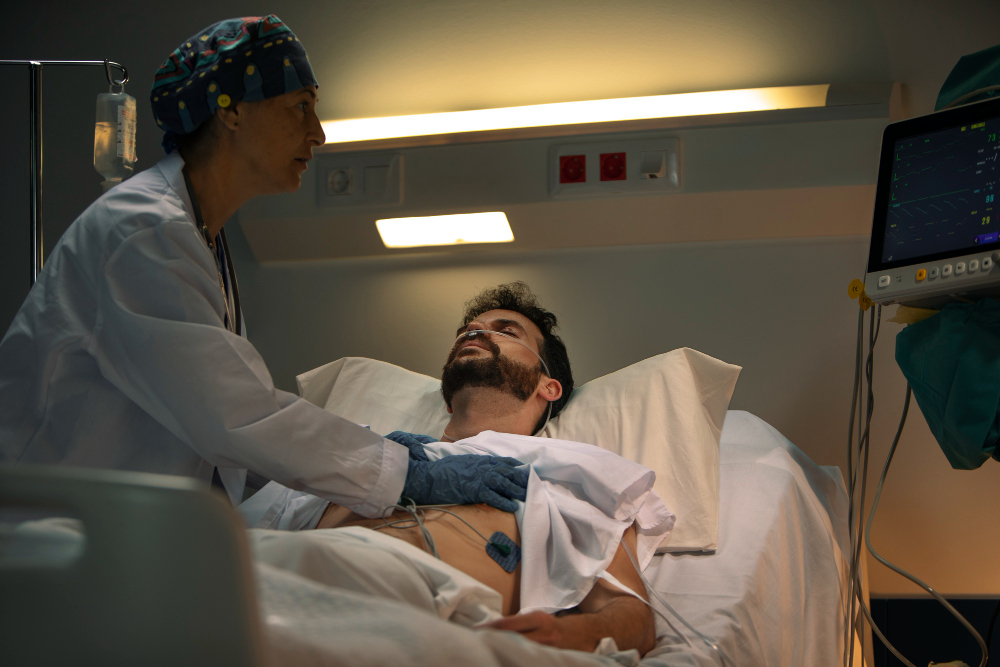
Assessing RLS begins with a detailed consultation with a sleep specialist. We will discuss your symptoms, medical history, family history, and lifestyle factors, as well as how your sleep is being affected. Providing information about when your symptoms occur and what helps relieve them can be very useful.
In some cases, tests may be recommended to rule out underlying causes or contributing conditions, such as:
The assessment is non-invasive and helps the clinic determine the most effective treatment plan to manage symptoms and improve sleep.
While there is no cure for RLS, symptoms can often be managed effectively with the right combination of lifestyle changes, medical care, and specialist support. At our private sleep clinic, we work with a team of experts — including sleep physicians, neurologists, and dietitians — to create a personalised plan tailored to your needs.
Treatment options may include:
With appropriate care, many people with RLS see a significant improvement in their sleep, energy levels, and quality of life.
Getting in touch is the first step towards better sleep. Our dedicated private sleep clinic team is here to answer your questions, guide you through the booking process, and explain how we can support your journey to more restful nights. Whether you’re struggling with insomnia, sleep apnoea, or simply want a professional assessment, we’ll make sure your enquiry is handled quickly, professionally, and with the care you deserve. Reach out today and let us help you take the next step towards healthier, restorative sleep.