Sleep apnoea treatment often begins with an unexpected challenge. The first nights can feel uncomfortable because a CPAP machine changes how breathing feels, requires wearing a mask, and introduces unfamiliar sounds at the very time when the body expects rest. Many patients assume that comfort should come immediately after diagnosis, so they feel discouraged when the airflow, mask straps, or pressure disrupts sleep. This reaction is common and does not mean the treatment is unsuitable. Long-term success with CPAP does not come from forcing yourself to tolerate discomfort. Instead, it comes from small, practical adjustments that reduce friction and build confidence. Fine-tuning the mask fit, adjusting humidity, optimising pressure settings, and improving bedtime routines can make a significant difference. When the first few weeks are seen as a period of adjustment rather than a test of endurance, progress becomes steadier. Over time, CPAP use feels more natural, sleep quality improves, and the benefits for long-term health become much clearer.
Finding the perfect fit: mask types and leak prevention
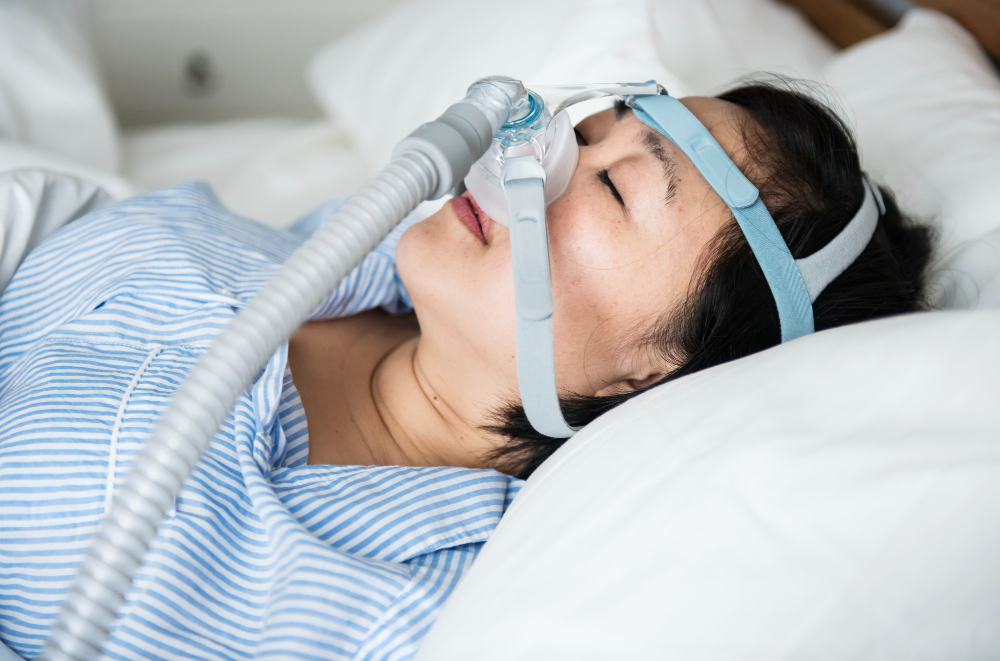
An ill-fitting mask is the leading cause of CPAP treatment failure, as air leaks lead to noise, irritation, and inconsistent pressure delivery. No matter how advanced the CPAP device, a poor mask seal undermines its effectiveness. Selecting the right mask style is therefore crucial. Nasal pillows suit users who prefer minimal contact, nasal masks offer a balance of comfort and stability, while full-face masks work best for mouth breathers or those with nasal congestion. Each style requires precise adjustment to ensure a proper fit and consistent therapy.
Straps must be secure but not overly tight, as excessive tension can distort the cushion and worsen leaks. Adjust the mask while lying down with the machine running, as facial contours change in a reclined position. Regular cleaning of the cushion and timely replacement of worn parts are essential to maintain a proper seal. Side sleepers may benefit from specially designed pillows that keep the mask aligned with their face. By prioritising fit early, users build confidence and ensure smoother nightly use.
Regular maintenance is vital for long-term success. Over time, natural oils, facial movements, and cleaning products can reduce the cushion’s sealing ability. Nasal pillow masks can perform just as effectively as standard nasal masks when fitted correctly. If leaks appear suddenly, replacing worn parts may be more useful than changing the entire mask style. By managing fit carefully, users can minimise discomfort, reduce nightly interruptions, and maintain consistent therapy for better sleep health.
Managing air pressure: ramping and expiratory relief
Pressure discomfort is a common early challenge. Users often feel overwhelmed by airflow starting immediately, making it harder to fall asleep. Comfort features like a ramp help to ease this transition. Ramp starts at a lower pressure and slowly increases, allowing users to adjust before full therapy kicks in. Some machines detect when sleep has begun, raising pressure only once the user has settled. Expiratory relief also supports comfort by lowering pressure slightly when exhaling. Many beginners can inhale easily but feel resistance when breathing out. Relief settings create a natural rhythm, easing this imbalance so users feel more at ease. These adjustments must be personalised; too much or too little relief may disrupt comfort.
Practising with the mask outside bedtime often speeds adjustment. Sitting with the mask while reading or watching television helps the mind become familiar with the airflow in a relaxed setting. This is important because maintaining long-term CPAP use is widely recognised as challenging, with adherence rates in obstructive sleep apnoea typically ranging from 30 to 60 per cent. If discomfort continues, a clinician can review data, adjust pressure ranges, or identify leaks. When settings are well matched to the user, the machine feels supportive, allowing better sleep night after night.
The role of humidification and heated tubing
Dryness is a common but often underestimated barrier to CPAP adherence. Continuous airflow can dry out the nasal passages, mouth, and throat, especially in cooler or drier environments. This dryness often leads to sore throat, nasal congestion, and frequent awakenings. Heated humidification is a solution, as it introduces moisture into the airflow, alleviating irritation. By adjusting humidity levels gradually, users often find a balance that reduces dryness without causing stuffiness. Heated tubing further improves comfort by preventing rainout, a phenomenon where moisture condenses inside the hose and disrupts sleep. Without heated tubing, cool air in the tube can form droplets, creating splashing sounds or sudden bursts of water inside the mask. By maintaining a steady air temperature, the tube reduces condensation and ensures a more comfortable, uninterrupted sleep.
Positioning also matters: the machine should be placed slightly below mattress level so any condensation can drain away from the mask. Evidence indicates that regular use of heated humidification during CPAP therapy can lessen nasal irritation and related symptoms for many sleep apnoea patients. If dry mouth persists, mouth breathing or mask leaks may be the actual cause rather than humidity settings alone. Careful adjustments to the humidifier and tubing create a smoother, more comfortable experience, helping users remain committed to therapy.
Overcoming the psychological barrier
For many patients, the greatest challenge in CPAP therapy is psychological rather than physical. Wearing a mask at night can trigger feelings of claustrophobia, anxiety, or a sense of lost control. These reactions are natural and can be addressed with a gradual desensitisation process. Start before bedtime by holding the mask, inspecting it, and breathing calmly beside it. Gradual exposure helps the brain associate the mask with safety rather than threat. Once initial comfort is achieved, wear the mask for short periods while awake, such as reading or watching TV. Then add airflow while sitting upright, ensuring each step is manageable. Short, repeated practice is crucial; one long, stressful attempt rarely works. As comfort builds, add the mask at bedtime but remove it if anxiety rises. By proceeding slowly, the desensitisation process teaches the brain that the mask is a safe, temporary tool.
Helpful thinking patterns are also essential. Replace the thought “I cannot tolerate this” with “I am learning a new skill.” Keep routines calm, avoid screens, dim lights, and avoid late-night overstimulation. If panic arises, pause, remove the mask briefly, and resume calmly. If you are finding it difficult to adjust to CPAP, reaching out for the right support can make the process much easier. You can contact our CPAP support team for personalised guidance and practical solutions. You may also book a mask fitting consultation to ensure optimal comfort and improve your overall experience with therapy.